The Repair Bench Rules: What to Fix on a Bag and What It Should Cost in the UK
Most bags do not fail in dramatic fashion. They go at the zip pull, the strap anchor, the lining seam behind the pocket. The question is rarely “can this be fixed?” It is “does fixing it make sense?” A well-made bag with good bones often deserves another year or five. A cheap bag with a failed zip and flaking coating is usually a donation candidate, not a repair project.
Start with the bag, not the fault
Before you ring a repairer, look at the host. Press the fabric. Check the seams around the handle anchors. Open and close every zip. Look inside the lining, especially where the bag folds. A repair is only as good as the material around it. If the nylon is brittle, the coating is peeling like sunburn, or the frame is bent, a new zip may simply move the failure two inches along. Good candidates have sound fabric, solid hardware anchors and a shape worth saving. Sentiment counts too, but be honest about it.
What UK repairs tend to cost in 2026
Prices vary by postcode and by bag. London and big-city specialists sit at the top; market-town cobblers and luggage repairers can be gentler. These are realistic ranges, not quotes:
- Zip slider replacement: £15–£30. Full zip replacement: £35–£75, more if the bag is lined or curved.
- Lining patch: £20–£45. Full reline: £60–£120+, often not worth it on a bag under £150.
- Strap reattachment or restitching: £15–£35. New leather strap: £35–£90.
- Hardware swap (D-ring, buckle, clip): £10–£30 plus the part.
- Leather conditioning, edge paint and minor scuff work: £20–£50.
- Full leather restoration: £80–£200+, depending on size and damage.
Ask what parts will be used, whether the repair is guaranteed, and how long it will take. A good repairer will tell you when a bag is not worth the work. That is a useful answer, not a sales failure.
When repair is the smarter move
Fix the zip on a bag with sound fabric and a comfortable strap. Fix a strap anchor before it tears through the panel. Catch a lining tear early, while it is still a patch rather than a full reline. Replace a broken buckle on a bag you already like. Treat scuffed leather before it cracks. These are small, targeted jobs that extend useful life without changing the bag’s character. They also tend to cost less than half the price of a comparable replacement.
When replacement wins
Think hard if the repair bill approaches half the cost of a new bag you would actually want. A £40 canvas tote with a £45 zip is not a sustainability triumph; it is an expensive lesson. Walk away from mould that has gone into padding, coating that sheds on your coat, and frames that no longer sit flat. Be cautious with very cheap synthetic bags: the materials often resist good repair, and the labour can exceed the value. If you are replacing, buy fewer and better, and check whether the brand offers spare parts or a repair scheme.
A short pre-repair checklist
- Empty the bag completely, including the hidden pocket you forgot.
- Clean off grit and crumbs; repairers dislike surprises.
- Photograph every fault, including the zip teeth and strap anchors.
- Set a maximum spend before you get a quote.
- Get two quotes for anything over £40.
- Ask what happens to waterproofing, edge paint and lining after the repair.
- Confirm the guarantee and turnaround in writing.
- Label the bag inside with your name and phone number.
Where to take it
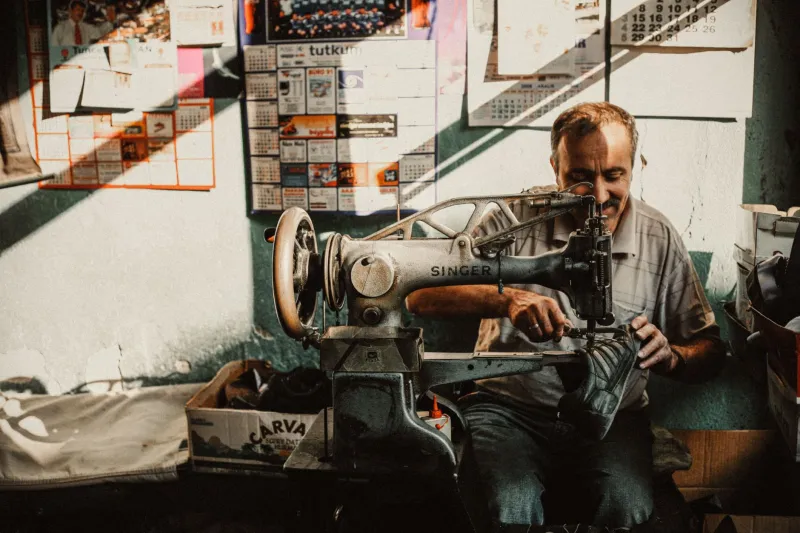
Start with a local cobbler or luggage repairer who does zips regularly. Leather specialists are better for straps, edge paint and restoration. Some brands run repair schemes or sell spare straps and hardware; check before assuming the bag is finished. Repair cafés can help with simple stitching, but a load-bearing strap is not a first project. Search by the fault, not just the town: “zip replacement luggage repair” will get you further than “bag repair near me”.
The honest maths
Repair is usually the greener choice, but not automatically. The greenest bag is the one you already own and will keep using. If a £45 repair gets you three more years out of a £180 bag, that is excellent value. If it gets you three months out of a bag that is already falling apart, it is delay, not repair. A well-made bag is worth maintaining. Not every bag is well-made. The trick is knowing which one is on the bench.