The Damp Passenger: Giving a Wet Umbrella Somewhere Sensible to Sit

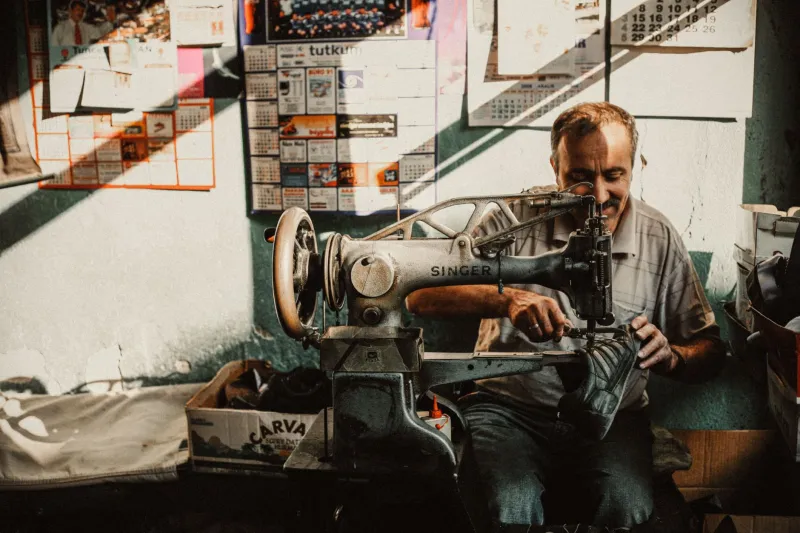
Photo by Photo by Semyon Borisov on Unsplash on Unsplash
British rain rarely arrives with drama. It seeps in sideways, gathers on bus windows and leaves a small, dripping passenger at the end of your arm. The folding umbrella is a brilliant invention until you get on the 73 with nowhere to put it. Then it becomes a question of design: where does the wet thing go, and what is it doing to the bag around it?
The quiet damage of a damp brolly
A wet umbrella is not just water. It carries pavement grit, a little oil from the road and the fine black dust that collects in doorways. Drop it into the main compartment and that mixture settles into the lining. Cotton canvas drinks it. Uncoated polyester holds a film of damp. Even a good nylon can develop that fusty, cellar-ish smell if it stays zipped up for the rest of the day.
Leather is more forgiving than people fear, but it does not enjoy a soaking. Full-grain hide will darken and swell slightly at the edges; dry it on a radiator and you can encourage cracks and a stiff, tired finish. Zips are another weak point. A wet umbrella resting against a metal zip pull for three hours is a small corrosion test, especially on cheaper hardware. And if your notebook, headphones or paperback live in the same open space, they are sharing the consequences.
None of this is catastrophic. That is the point. Wet-umbrella damage is rarely a single dramatic failure; it is a series of small, avoidable annoyances.
What actually contains the mess
The best solution is boring: give the umbrella its own place. A dedicated sleeve, either inside the bag or attached outside, is the neatest answer. Inside, it keeps the drip away from your laptop and papers, but it eats capacity and can be awkward to use when you are standing in a doorway. Look for a sleeve with a wipe-clean lining and a shape that lets you slide the umbrella in without a wrestling match. If it has a small drain eyelet at the bottom, even better.
A separate water-resistant pouch is the flexible option. It costs less, works with the bag you already own and can be turned inside out to dry. Roll-top pouches are good for bulk; a simple zip pouch is quicker on a busy bus. The test is not how technical it looks but whether you will actually use it when your hands are full.
Exterior straps and loops are the third way. A low-profile loop on the side of a tote or backpack lets the umbrella ride outside, away from your knitwear and receipts. It is not perfect. Water can run down the bag and onto your coat, and a dangling brolly is not the most polished look for a meeting. But for a short walk to the station, an exterior strap is often the least fussy answer.
Quick-dry fabrics help with the aftermath. Nylon, polyester and mesh shed water and dry faster than cotton, wool felt or suede. The details matter more than the label: sealed seams, a coated zip, a lining you can wipe, a compartment that opens wide enough to air. Those are the quiet signs of a bag that has been thought through for real weather.
Materials that cope without looking like hill kit
You do not need an expedition pack to survive a British November. A clean recycled-nylon tote with a taped lining can look perfectly at home in an office. Waxed cotton is another good shout for outer shells; it shrugs off drizzle and ages well, though the inside still needs a pouch or sleeve for a soaking umbrella. Leather bags can work beautifully, provided the wet umbrella never shares a compartment with the hide. Treat leather as the smart part of the kit, not the waterproof one.
What I would avoid is absorbent lining in the wet zone. Brushed cotton, untreated canvas and suede look lovely until they meet a damp handle. Hardware is worth a glance too. Solid brass will patina; cheap plated metal can flake and spot. A water-resistant zip is useful, but it is not a licence to store a wet umbrella against it for hours. The zip is a closure, not a towel.
A small routine that saves the bag
At the door, shake the umbrella properly, close it and put it straight into its sleeve or pouch. If you have neither, use the exterior loop and accept the drip. At the office, take it out, open it to dry somewhere sensible and leave the bag compartment unzipped for an hour. Do not park either of them next to a radiator. Once a week, empty the bag, wipe the lining and let it air. That is the whole routine. It takes less time than looking for a lost receipt.
When you are choosing a bag, look for one wet-weather detail you will genuinely use: a separate sleeve, a wipe-clean pocket, an exterior loop or a quick-dry lining. You do not need all four, and you certainly do not need a bag that looks ready for a fell race. The point is to contain the damp passenger without letting it redecorate your commute.
At Blaxton Bags, we like bags that solve small problems quietly. A wet umbrella is one of them. Give it somewhere sensible to sit, and the rest of your everyday carry stays dry, tidy and ready for the next shower.