The Wear Is the Tell: Reading Second-Hand Bags Before You Buy New
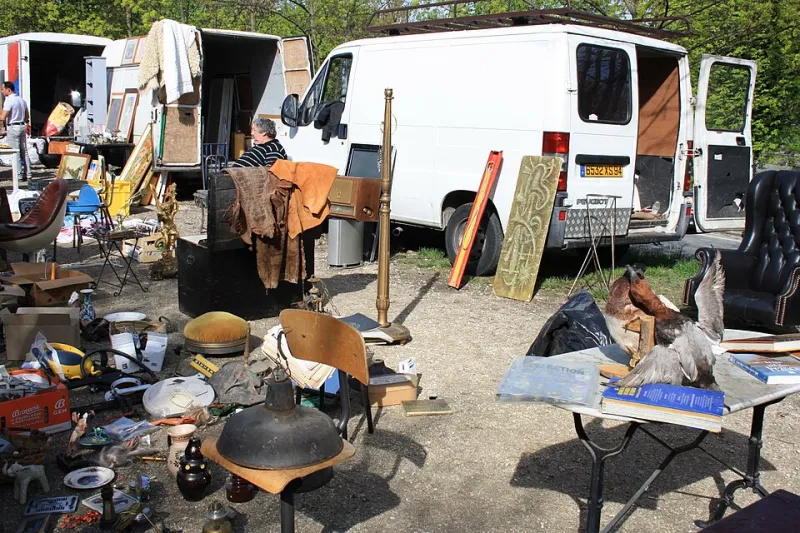
Photo: Lionel Allorge, CC BY-SA 3.0, via Wikimedia Commons
There is a particular kind of education waiting on the second-hand rail. Not the obvious one about saving money, though that helps. The better lesson is that a used bag has already run the experiment for you. Every scuff, droop and polished patch is a result. If you know what to look at, a £6 charity-shop shoulder bag can tell you more about leather, lining and hardware than a shop assistant ever will.
This is not a plea to buy everything pre-owned. It is a case for using second-hand bags as a free masterclass before you spend on something new. The UK has no shortage of places to do the coursework: Oxfam and British Heart Foundation windows, local vintage fairs, car boot sales on a Sunday, and the endless scroll of Vinted, eBay and Depop.
Start Where the Bag Meets the World
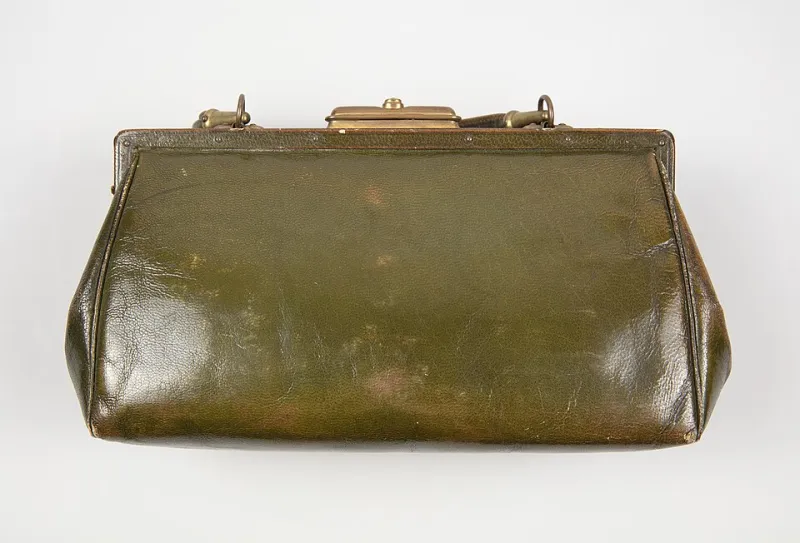
Pick up any second-hand bag and turn it over. The corners are the first honest witnesses. On leather, look at whether the finish has rubbed through to a fuzzy suede or whether the surface has simply darkened and smoothed. The first suggests a thin coating doing all the work. The second usually means the hide was dyed through and has aged rather than failed.
On nylon and canvas, corners tell you about abrasion resistance. A fabric that has gone thin and shiny at the base has been dragged along pavements. A fabric that has held its weave, even if the colour has faded, has done its job. That is useful information when you are standing in a shop in 2026 looking at a new bag with a similar weave and wondering whether it will survive a daily commute.
The Base Is a Biography
A bag's bottom edge is where construction meets reality. Look for sag. A base that has bowed into a hammock shape probably lacked reinforcement, or the reinforcement was cardboard that has since given up. Run your hand inside if you can. You are feeling for a firm panel, not a sheet of floppy plastic. Good bags often have a base board wrapped in lining or a reinforced seam that keeps the shape.
Also check the base seams. If the stitching has started to pull through the material, the bag was likely loaded beyond its intended weight. That is not automatically a fault. It is a clue about where the maker expected the limits to be. When you buy new, look at the same seam and ask whether it has been designed for a laptop, a water bottle and the rest of a normal day.
Handles and Attachment Points
A second-hand bag will show you exactly where a handle fails. Look at the points where the strap meets the body. On cheaper bags, you will often see stretched stitching, cracked faux leather or a metal ring that has worn through its plating. On better ones, the leather may have darkened but the attachment still sits flat and secure.
This is the single most useful thing to carry over to new purchases. A bag can have beautiful leather and a lovely shape, but if the strap is held on by two short rows of stitching and a thin ring, it is a display piece. The second-hand rail is full of evidence.
Hardware Tells You More Than Shine
Ignore the idea that good hardware stays pristine. It does not. Good hardware ages. A solid brass zip pull will dull and darken. A decent clasp will scratch. What you are looking for is function: does the zip still run smoothly, does the buckle still grip, does the ring still hold its shape?
On resale listings, ask for close-ups of the zips and the strap rings. If the plating has flaked off in sheets rather than worn in patches, it is likely a thin cosmetic finish. If the metal underneath is dull but solid, that is a better sign. This is exactly the sort of detail that separates a bag built for daily use from one built for a photograph.
Linings Are the Quiet Giveaway
A lining is where many bags reveal their budget. Look inside any second-hand bag and you will see whether the fabric has pilled, torn at the seams or come away from the zip tape. A cotton canvas lining that has softened but stayed intact is a good omen. A thin polyester lining that has shredded around the zip is a warning.
Turn the bag inside out if the shop allows it. Check the seam allowance. If the lining is stitched with a generous margin and the seams are finished, the maker cared about the parts you cannot see. That is a habit worth paying for in a new bag.
The Smell and the Weight
Two quick tests. First, smell. Musty is fixable with airing and bicarbonate of soda, but a sharp chemical or mouldy smell is harder to shift. Second, weight. Pick up an empty second-hand bag and notice how heavy it feels. Heavy hardware and thick leather are not automatically better. A bag that is already tiring to carry empty will be a misery by the time you add a laptop and a flask.
Bring It Back to the New Bag
None of this is about buying the most expensive thing in the shop. It is about pattern recognition. When you have seen twenty second-hand bags with blown-out corners, you stop trusting a thin edge paint. When you have seen straps that failed at the attachment, you start turning new bags over to look at the stitching.
So next time you are near a charity shop or scrolling a resale app, spend ten minutes with the bags. Check the corners, the base, the handles and the lining. You are not obliged to buy. You are building a checklist that will serve you well when you do.
A Pocket Checklist for the Rail and the Shop
- Corners: worn through or aged in?
- Base: firm or sagging?
- Strap attachments: flat and secure or stretched and cracked?
- Zips: smooth or catching?
- Hardware: dull but solid, or flaking?
- Lining: intact at the seams or shredding?
- Weight empty: surprising or sensible?
The best new bag is often the one that has learned from the old ones. A second-hand rail is where those lessons are free.